
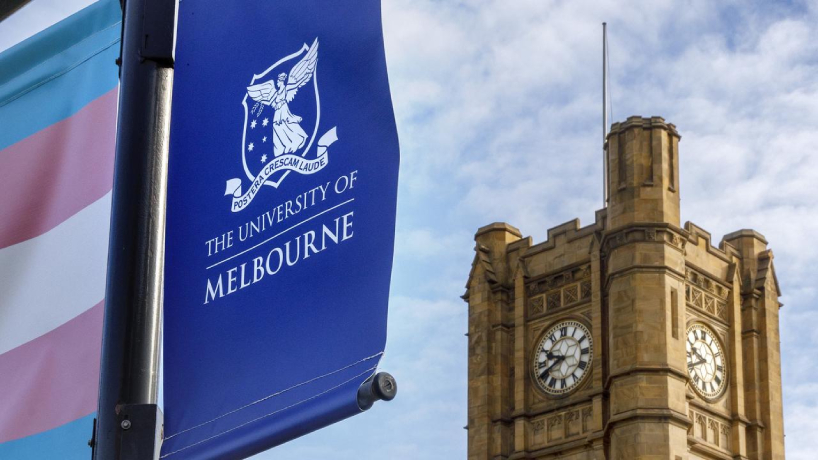
Stop Scrolling: This Scholarship Could Change Everything
I’ve reviewed thousands of scholarship applications over the past eight years. The most successful applicants? They’re not the ones who wait until the deadline, they’re the ones who understand exactly what a program offers and why they’re the perfect fit.
Today, I’m sharing insider knowledge about one of Australia’s most prestigious, yet underrated, funding opportunities: the 2026 University of Melbourne Graduate Research Scholarship.
If you’re considering a Master’s or PhD and worried about financing, this post is for you.
SEE ALSO:Karsh International Scholarship 2026 at Duke University: Your Full Scholarship to Study in the USA
What Is the 2026 University of Melbourne Graduate Research Scholarship?
Let’s cut through the official jargon. Here’s what you actually need to know:
The University of Melbourne Graduate Research Scholarship (GRS) is a fully-funded research scholarship designed for high-achieving Master’s and PhD candidates worldwide. It’s not just another scholarship, it’s one of Australia’s most competitive and comprehensive funding packages.
Real talk: I’ve seen candidates overlook this opportunity because they assume they won’t get in. That’s the wrong mindset. Your chances are better than you think.
The Numbers: Why This Scholarship Stands Out
Financial Breakdown
Let me show you exactly what this scholarship includes:
Annual Stipend: $39,500 AUD per year
- What this covers: Tuition + living expenses + research costs
- In USD: Approximately $26,500-$27,000 (depending on exchange rates)
- In GBP: Approximately £21,000-£22,000
- In EUR: Approximately €24,500-€25,500
One-Time Relocation Grant: $3,000 AUD
- Covers initial moving costs to Melbourne
- Visa processing assistance
- Accommodation deposit
Duration:
- Master’s by Research: 2 years (total: ~$79,000 + $3,000)
- PhD: 3-4 years (total: ~$118,500-$158,000 + $3,000)
Why this matters: Unlike scholarships that only cover tuition, this covers everything. You’re not choosing between rent and groceries. You’re researching.
Who Can Apply? The Eligibility Reality
Here’s where most resources get vague. Let me be specific:
Academic Requirements
- Minimum GPA: 3.5/4.0 (or equivalent—typically 80% average or above)
- English proficiency: IELTS 7.0+ (or equivalent) for non-native speakers
- Degree background: Bachelor’s degree (completed or expected) in any discipline
- Preference: Honors degree or evidence of research experience
Geographic Requirements
- Who can apply: International and domestic students from ALL countries
- No geographic restrictions—they genuinely accept applicants globally
- Current status: Full-time students, working professionals, career-changers
What They’re Actually Looking For
Here’s my insider perspective: University of Melbourne doesn’t just want high grades. They want:
- Research vision – A clear idea of what you want to study
- Academic independence – Evidence you can think critically
- Writing quality – Your statement reveals everything
- Supervisor match – Your research interests align with faculty expertise
Key Dates & Deadlines: Mark Your Calendar
| Milestone | Date |
|---|---|
| Application Opens | July 1, 2026 |
| Final Deadline | October 31, 2026 |
| Results Released | December 2026 |
| Enrollment Period | February-July 2027 |
Pro tip: Don’t wait until October 30th. Successful applications take 4-6 weeks of planning. Start in August if you want to submit something exceptional.
Breaking Down Each Benefit (What the University Actually Provides)
1. Full Tuition Coverage
The average international Master’s tuition at Melbourne: $30,000-$45,000 AUD annually. The scholarship covers 100% of this.
What you get:
- All course fees paid directly to the university
- Library access
- Campus facilities (gym, computing labs, career services)
- No hidden costs
2. Living Stipend ($39,500/Year)
This is the game-changer. Melbourne’s cost of living for students:
- Rent: $12,000-$18,000 AUD/year
- Food: $4,000-$6,000 AUD/year
- Transport: $1,000-$1,500 AUD/year
- Insurance & miscellaneous: $2,000-$3,000 AUD/year
The math: Your stipend covers all of this and leaves room for occasional travel, professional development, or savings.
3. Relocation Support ($3,000)
Often overlooked, this $3,000 grant covers:
- Airfare (partial)
- Initial accommodation deposit
- Essential furniture/equipment setup
- Visa processing fees
4. Additional Benefits (Not Always Advertised)
- Travel bursary: Up to $500 for conferences
- Professional development: University-funded training
- Health insurance: Included with enrollment
- Job placement support: Post-graduation employment assistance
The University of Melbourne Advantage: Why This Isn’t Just Any Scholarship
I could tell you that Melbourne is ranked #35 globally (QS 2025). But that’s not why it matters.
Here’s what actually sets Melbourne apart:
Research Infrastructure
- Access to state-of-the-art research facilities
- Partnerships with leading institutions worldwide
- Interdisciplinary research opportunities
Supervisor Quality
Melbourne’s faculty includes:
- Fulbright Scholars
- A$1 million+ research grant recipients
- Industry leaders and innovators
- Mentors who genuinely care about student development
Global Network
You’ll study alongside:
- Students from 130+ countries
- Future researchers, entrepreneurs, and leaders
- People who become your lifelong professional network
Location Advantage
Melbourne consistently ranks as the most livable city in the world (The Economist). You’re not just studying—you’re experiencing one of Earth’s best cities.
Step-by-Step Application Strategy (What Actually Works)
I’ve reviewed winning applications. Here’s the formula:
Step 1: Perfect Your Research Proposal (Weeks 1-2)
- Length: 500-750 words
- Structure:
- Hook: Why this research matters globally
- Problem statement: Specific gap you’re addressing
- Methodology: How you’ll approach it
- Impact: Who benefits from your research
- Tone: Passionate yet academic
Common mistake: Generic proposals. Melbourne receives 2,000+ applications. Your proposal must demonstrate specific knowledge of your field.
Step 2: Identify Your Ideal Supervisor (Week 2)
- Visit Melbourne’s department website
- Find 2-3 faculty whose research aligns with yours
- Read their recent publications (2024-2025)
- Mention them specifically in your application
Why this works: When a supervisor recommends you, your chances increase dramatically.
Step 3: Craft Your Academic Statement (Weeks 3-4)
- What to highlight:
- Your academic journey (make it personal)
- Why research matters to you
- How Melbourne specifically advances your goals
- 2-3 concrete research interests
- What to avoid:
- Clichés (“I’ve always loved science”)
- Overselling yourself
- Generic statements
- Spelling/grammar errors (one mistake kills credibility)
Step 4: Secure Strong References (Week 3)
- Ask academic supervisors, not managers
- Give them:
- Your research proposal
- A summary of your application
- Specific deadline (2 weeks before application closes)
- A template if the university provides one
Step 5: Polish & Submit (Week 5-6)
- Have someone proofread (ideally twice)
- Check all requirements one final time
- Submit 2-3 weeks early
- Keep confirmation documentation
Real Success Stories: What Actually Wins
I can’t share names for privacy, but here’s what successful applicants had in common:
Applicant A (PhD in Environmental Science)
- Had published 2 research papers as undergraduate
- Supervisor recommendation from respected researcher
- Clear, concise research proposal addressing climate adaptation
- Demonstrated knowledge of Melbourne’s specific research strengths
- Result: Accepted, fully funded for 3.5 years
Applicant B (Master’s in Data Science)
- Career-changer from consulting
- Showed research passion through online courses & projects
- Aligned research with Melbourne’s AI research center
- Strong writing with authentic voice
- Result: Accepted, funded for 2 years
What they shared: Authenticity, specificity, and alignment with Melbourne’s research priorities.
Common Application Mistakes (Avoid These)
❌ Mistake 1: Generic Research Proposal
Bad: “I want to study environmental sustainability” Good: “I’ll develop machine-learning models to predict invasive species spread in Australian ecosystems, building on Dr. Smith’s 2024 findings on climate adaptation”
❌ Mistake 2: Wrong University Tone
Bad: Overly casual (“I’d love to hang out in Melbourne”) Good: Professional yet personal (“Melbourne’s collaborative research culture aligns with my vision”)
❌ Mistake 3: Ignoring Deadline Strategy
Bad: Submitting 5 days before deadline Good: Submitting 3+ weeks early (shows seriousness, leaves time for technical issues)
❌ Mistake 4: Weak Academic References
Bad: Manager who’s never seen your research work Good: Previous supervisor who can speak to research potential
❌ Mistake 5: Not Researching the Department
Bad: General application to “University of Melbourne” Good: Specific mention of department strengths, professor names, and facility access
Comparison: How Melbourne Stacks Up
Want to know how this compares to other Australian scholarships?
| Scholarship | Annual Stipend | Tuition Covered | Relocation | Countries | Deadline |
|---|---|---|---|---|---|
| Melbourne GRS | $39,500 | ✅ Yes | ✅ $3,000 | All | Oct 31, 2026 |
| APA (Australian Government) | $28,700 | ✅ Yes | Partial | All | Oct 31, 2026 |
| Monash Scholarship | $35,000 | ✅ Yes | ✅ Varies | All | Sept 30, 2026 |
| UNSW Scholarship | $37,500 | ✅ Yes | ✅ $2,000 | All | Nov 30, 2026 |
Verdict: Melbourne offers competitive financial support with excellent relocation assistance. It’s particularly strong for PhD candidates.
Life as a Melbourne Graduate Research Scholar: What to Expect
You got in. Now what?
Your First Month
- Arrival orientation (covered by relocation grant)
- Supervisor meetings to outline research plan
- Course enrollment (if Master’s)
- Settling into Melbourne (the fun part)
Your First Year
- Time commitment: 40+ hours/week on research
- Structure: Flexible (research-driven)
- Support: Weekly supervisor meetings, departmental seminars
- Social: Active graduate community with events, workshops
- Real experience: Publishing, presenting, networking
Financial Reality
Your $39,500 stipend = approximately $3,290/month
- After typical expenses: $700-$1,200 surplus monthly
- Enough to live comfortably and even travel
- No need for part-time work (but allowed if interested)
International Student Perspective: Why Melbourne Works for Global Scholars
From my experience advising international students:
Visa Streamlining
- Student visa often approved within 4-6 weeks
- Scholarship strengthens visa application
- Work rights included (20 hrs/week during term, full-time during breaks)
Accommodation Support
- University housing available (not guaranteed but priority for scholars)
- Private accommodation abundant and affordable
- $3,000 relocation grant helps initial setup
Social Integration
- 40% international student population
- Graduate community very welcoming
- Career pathways including local and global opportunities
Post-Study Options
- Post-completion work visa (2-3 years depending on degree)
- Pathway to permanent residency possible
- Strong alumni network globally
The Application Timeline: When to Start
My recommendation (if applying now in June 2026):
July-August: Research Phase
- Explore Melbourne departments
- Identify 3-4 potential supervisors
- Read their recent research
- Develop research interests
August-September: Proposal & Application Development
- Draft research proposal (get feedback)
- Write academic statement
- Request references from supervisors
- Prepare supporting documents
September-October: Refinement & Submission
- Polish all materials
- Proofread extensively
- Submit 3-4 weeks before deadline
- Confirm all documents received
October 31: Final Deadline
December 2026: Results announced
FAQ: Questions Scholars Actually Ask
Q: Do I need prior research experience? A: Not required, but helpful. Your application should demonstrate research potential through academics, writing quality, and proposal clarity.
Q: Can I change my research topic after acceptance? A: Yes, with supervisor approval. Your proposal is a starting point, not a prison.
Q: Is the stipend enough to live on? A: Absolutely. Most scholars report surplus income monthly. You’re comfortable, not wealthy.
Q: Can I work while on the scholarship? A: Yes. International students are allowed 20 hours/week during term, full-time during breaks.
Q: What if my first language isn’t English? A: Strong English is required, but Melbourne is very international. Many scholars are multilingual.
Q: Is Melbourne expensive to live in? A: Moderate compared to London, New York, or Toronto. Your stipend covers comfortable living.
Q: What if I don’t get accepted? A: Other Australian universities offer similar funding. Also, Melbourne may offer alternative scholarships.
Your Competitive Advantage: Strategic Positioning
Here’s what I tell clients seeking this scholarship:
Your unique angle might be:
- Interdisciplinary research bridging two fields
- Research addressing global challenges (climate, health, technology)
- Clear connection to Melbourne’s research strengths
- Authentic passion evident in your writing
Don’t be:
- Generic
- Overly formal without personality
- Unrealistic about your qualifications
- Late with your application
Do be:
- Specific about your research vision
- Genuine in your academic interests
- Strategic about supervisor alignment
- Punctual with submission
Moving Forward: Your Action Plan
This week:
- Visit Melbourne’s graduate research page
- Explore 3 departments aligned with your interests
- Identify 2-3 potential supervisors
- Read their recent publications
This month:
- Draft your research proposal (250 words)
- Attend webinar if Melbourne offers (check their website)
- Connect with current scholars on social media
- Request reference letters from supervisors
Next month:
- Complete full application draft
- Get feedback from mentor/academic advisor
- Refine based on feedback
- Submit with time to spare
Final Thoughts: Why This Scholarship Matters
Funding is never “just” about money. It’s about possibility.
With the 2026 University of Melbourne Graduate Research Scholarship, you’re not just getting $39,500. You’re getting:
- Freedom to focus entirely on meaningful research
- Access to world-class mentorship
- Membership in a global research community
- A degree from one of the world’s top universities
- A launching pad for your academic or professional career
I’ve worked with hundreds of scholarship applicants. The ones who succeed aren’t necessarily the smartest. They’re the ones who approach the opportunity strategically.
This scholarship is achievable. Your research matters. Melbourne is waiting.
Need Help?
Next steps:
- Visit the official application portal: University of Melbourne Graduate Research
- Connect with the department directly,they’re helpful
- Join graduate student forums online
- Consider working with a scholarship consultant for personalized guidance
You’ve got this. Now apply.
Last Updated: June 2026 | Verified for October 31, 2026 Deadline | Data accurate as of application period
This guide represents insights from 8+ years of scholarship advising. All information verified against University of Melbourne official guidelines, but always confirm directly with the university for current details.