
The BEA Scholarship, officially known as the Bilateral Education Agreement Scholarship, has been one of the hottest education topics in Nigeria recently. The conversation has gone through different stages. It started with frustration, then people began asking questions, and now the government’s plans are becoming clearer.
According to the Federal Government, Nigeria is reviewing how it handles foreign scholarship programmes. The idea is straightforward. Reduce the amount spent sending students overseas, and channel more money into improving universities, polytechnics, and colleges of education at home.
For years, many Nigerian families saw foreign scholarships as one of the few reliable paths to a better education and brighter opportunities. That is why this shift is getting so much attention. It is more than a policy change. It affects students planning their future, parents making difficult decisions, and anyone wondering whether studying abroad is still the best option.
Here is what the Minister of Education has explained, why the BEA Scholarship is being reviewed, and what the changes could mean for Nigerian students and their families.
What the Minister Actually Said
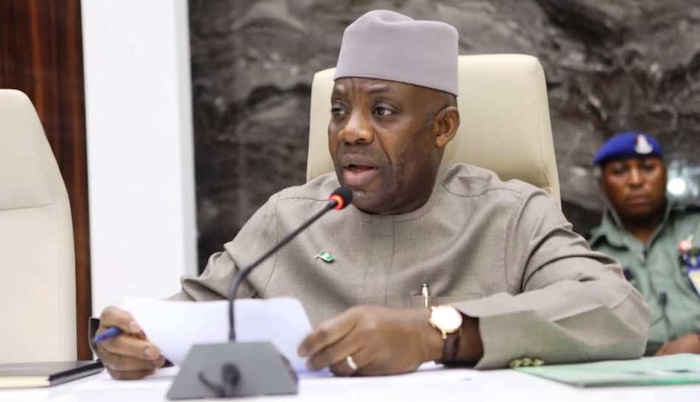
The Minister of Education, Dr Tunji Alausa, has been the face of this policy shift. He has repeated one core message across several public statements: Nigeria can no longer justify funding foreign study for courses already taught, and taught well, in Nigerian institutions.
A comprehensive policy review found something important. Many of the programmes Nigerian students once travelled abroad for under the BEA scheme are now available locally. In several cases, the local version is just as strong, or stronger.
Alausa put it plainly. He explained that it made little sense to keep sponsoring airfare, tuition, stipends, and living allowances overseas when the same training could be delivered at home, and at a fraction of the cost.
The government frames this as responsible financial planning, not an attack on international education. Officials say the savings will strengthen Nigerian institutions, expand the student loan scheme, and fund the few programmes that genuinely still need overseas expertise.
The BEA Scholarship Story So Far
To understand where things stand today, it helps to look at how we got here.
The Bilateral Education Agreement dates back to 1993. For years, it quietly sent Nigerian students to countries like Morocco, Algeria, and Cuba for undergraduate and postgraduate study, mostly in fields such as engineering, medicine, and aeronautics. Over time, however, the scheme grew far beyond its original scope, and reports of mismanagement began to surface.
Alausa has been candid about some of the problems the ministry uncovered. In several cases, beneficiaries were reportedly studying inside Nigeria while still collecting scholarship payments meant for study abroad. That kind of leakage, combined with growing fiscal pressure, eventually pushed the government toward a full review.
The result was a five year suspension of new intakes, which has since hardened into a broader policy shift.
Still, existing beneficiaries have not been left stranded. Students already enrolled are expected to keep receiving support until they finish their studies. The government has also worked to clear outstanding arrears, especially after Nigerian scholars in Morocco publicly described real hardship while waiting on delayed stipends.
Why the Focus Is Shifting to Nigerian Schools
The government’s argument rests on a few key points.
- Cost efficiency. Sponsoring one student abroad, once you factor in flights, tuition, accommodation, and upkeep, costs far more than funding the same education locally. With public finances tight, that gap matters.
- Growing local capacity. Nigerian universities and polytechnics have expanded their course offerings in recent years. Many of the specialisations students once travelled for can now be studied at home.
- Less room for abuse. Reports of scholarship money going to students who never actually left the country pushed the government to tighten how funds are monitored.
- Redirected savings. Officials say the money saved is going toward the Nigerian Scholarship Awards, the Federal Government Bursary, the Presidential Scholarship for NYSC ex corps members, and an expanded interest free student loan programme.
Of course, whether this plan closes the quality gap fast enough is a separate question. It is one many parents and education stakeholders are still debating.
Not a Complete Shutdown of Overseas Study
It is worth clearing up a common misunderstanding here. This policy does not mean Nigerians can no longer study abroad. What has actually changed is who foots the bill.
The ministry has repeated that Nigeria is not currently offering new government funded scholarship slots under the BEA arrangement. Going forward, the government says it will prioritise scholarships fully funded by host countries, where Nigeria bears little to no cost.
That means programmes like Chevening, Commonwealth Scholarships, and Erasmus Mundus remain open to Nigerians, since foreign governments and institutions finance those directly.
So here is the honest takeaway: Nigeria bankrolling large scale outbound scholarships is winding down. But fully funded external opportunities, and merit based international scholarships, are not going anywhere.
DON’T MISS:Medical Courses in Nigeria and Cut-Off Marks 2026
Reactions From Nigerians Have Been Mixed
Not everyone is convinced this is purely a cost saving reform. Opposition voices, including former Vice President Atiku Abubakar, have criticised how the transition was handled. He points to reports of stranded students and delayed payments as evidence of poor planning.
The presidency and ministry officials have pushed back firmly. They insist the shift was communicated publicly well in advance, and that no valid beneficiary has been abandoned.
For everyday Nigerians, the debate often comes down to trust. Supporters see the policy as a long overdue correction. They argue public money should build up Nigeria’s own institutions instead of funding capacity that other countries already have.
Critics see it differently. They worry Nigerian universities, still dealing with strikes, underfunding, and infrastructure gaps, are not yet ready to absorb that renewed confidence without visible investment to match the promise.
What This Means for Students and Parents Right Now
If you are a student or a parent planning ahead, here is the practical picture as things stand.
- Do not expect new BEA funded slots for now. New government sponsored bilateral scholarship intakes are on hold.
- Fully funded foreign scholarships are still fair game. Chevening, Fulbright, Commonwealth, and Erasmus Mundus remain open, since Nigeria is not financing them.
- Watch the Nigerian Student Loan Programme. As foreign scholarship spending gets redirected, the interest free loan scheme is expected to expand.
- Check course availability at home first. Since the policy assumes most courses now exist locally, it is worth researching Nigerian universities before assuming study abroad is the only route.
- Stay in contact with your mission if you are already a BEA beneficiary. Payment delays have happened, but the government says continuing students will be supported until graduation.
The Bigger Picture
This is really a story about priorities. Nigeria is deciding, during a period of real fiscal strain, whether the smarter investment is sending fewer students overseas or strengthening the universities millions of Nigerians already attend.
Ultimately, success will depend less on the announcement and more on what happens next. Will Nigerian institutions actually get the funding and infrastructure upgrades needed to match the quality once chased abroad? Will the promised student loan expansion reach the students who need it most?
Those questions will decide whether this policy is remembered as a smart pivot, or a missed opportunity.
For now, the message from the Minister of Education is consistent. Nigeria wants to build its own capacity, rather than keep exporting its students to build someone else’s.
Frequently Asked Questions
Has the BEA scholarship been completely cancelled? No. New intakes have been halted, but students already enrolled continue to receive support until they finish their programmes.
Can Nigerians still get scholarships to study abroad? Yes. Scholarships fully funded by foreign governments or institutions, such as Chevening, Commonwealth, and Erasmus Mundus, remain open to Nigerian applicants.
Why did the Federal Government stop funding new foreign scholarships? A policy review found that many courses Nigerians once travelled abroad for are now available locally. So the ministry redirected the funds to strengthen Nigerian institutions instead.
What happens to students currently studying abroad on BEA scholarships? They will keep receiving support until they finish their studies. Some have reported payment delays, though the ministry says it has worked to clear the backlog.